Blog
Field notes from the point cloud.
Deep technical writing on 3D scanning, reverse engineering, metrology, and digital manufacturing.
STL to STEP: Every Method Compared (and When Each One Fails)
Auto-surfacing, mesh-to-solid conversion, and a full parametric rebuild — the three ways to turn an STL into a STEP file, what each one actually produces, and how to pick before you waste a day.
GD&T Symbols Explained: All 14 Controls With Real Inspection Examples
Every GD&T symbol in ASME Y14.5 / ISO 1101 — what it means, how it's drawn, and exactly how a CMM or 3D scanner measures it. Written from the inspection side, where the callouts either work or don't.
Reverse Engineering Services: What You Get, What It Costs, and How to Brief a Vendor
A transparent look at how reverse engineering projects are scoped, priced and delivered — the five deliverable levels, the factors that move the price, and the six things to send with your enquiry.
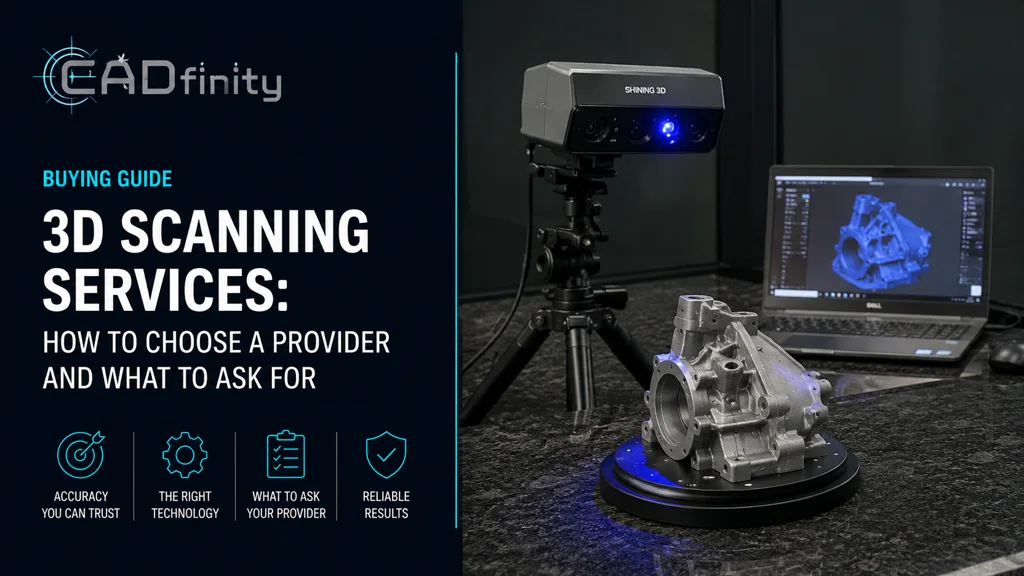
3D Scanning Services: How to Choose a Provider and What to Ask For
What a 3D scanning service actually delivers, which technology suits your part, the accuracy claims worth checking, and the eight questions that separate a metrology provider from someone with a scanner.
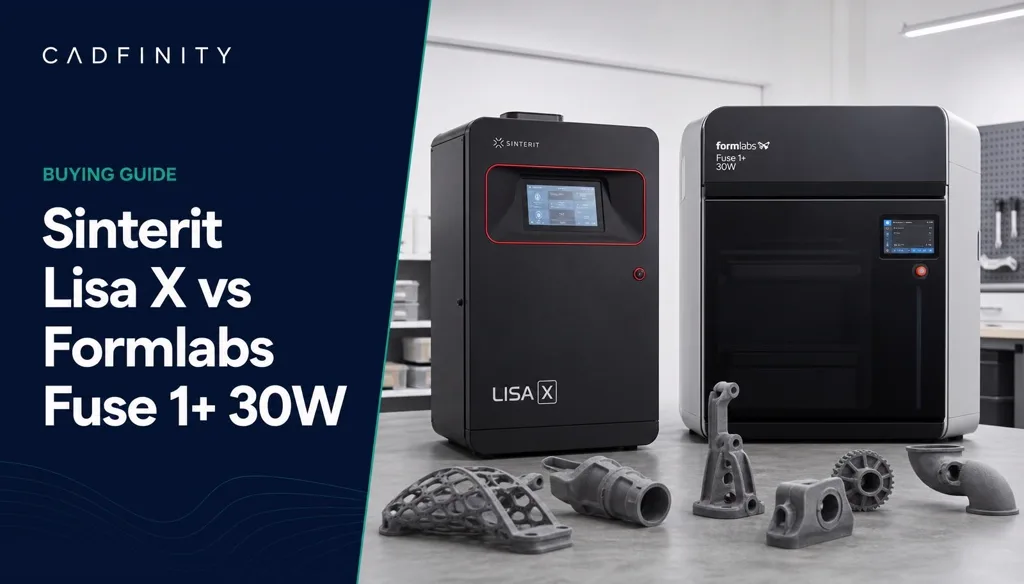
Sinterit Lisa X vs Formlabs Fuse 1+ 30W: Which Benchtop SLS Printer Wins in 2026?
Build volume, powder cost, refresh ratio, post-processing and real cost per part — an engineer's head-to-head between the Sinterit Lisa X and the Formlabs Fuse 1+ 30W, with a clear pick for each type of buyer.
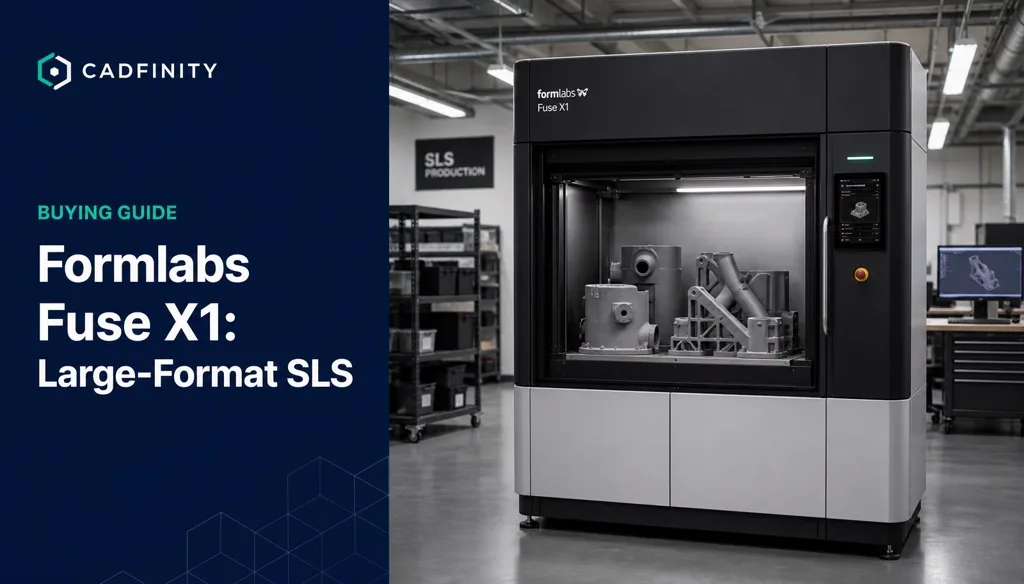
Formlabs Fuse X1: What Large-Format SLS at $84,999 Actually Changes
Formlabs' new Fuse X1 brings a 330 × 330 × 565 mm SLS chamber, 30 %+ packing density and 3x throughput at $84,999. Here's what it means for part cost, who should buy it, and who should stay on the Fuse 1+ 30W.
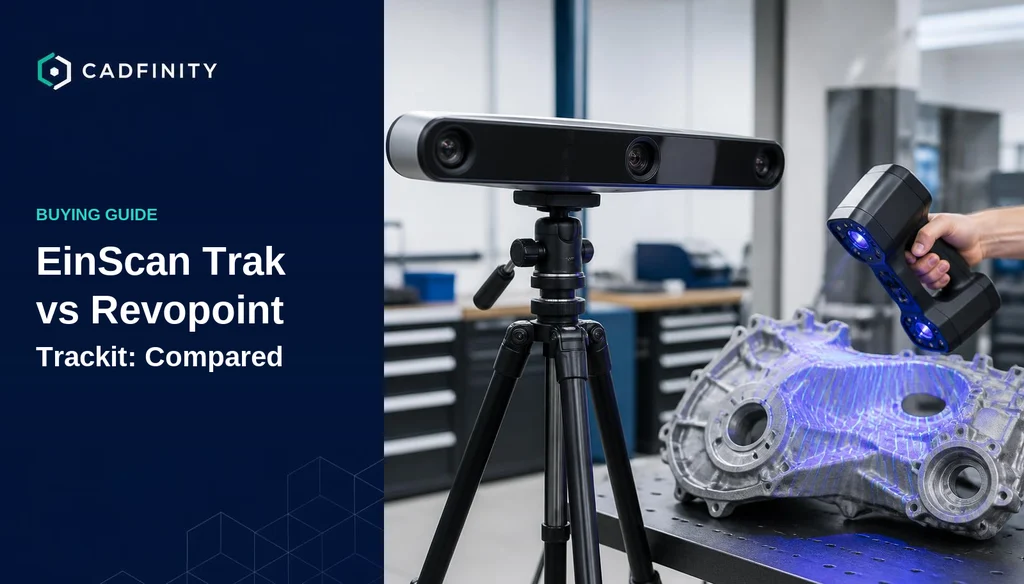
EinScan Trak vs Revopoint Trackit: The Low-Cost Optical Trackers Compared (2026)
Marker-free tracking used to start around $60,000. Now it starts under $7,000. We compare the EinScan Trak and the Revopoint Trackit on specs, accuracy claims, workflow and what real owners report.
How to Choose a 3D Scanner in 2026: The Complete Buyer's Guide
From hobbyist Einstar to metrology-grade FreeScan Trio — the framework, spec tables, and SHINING 3D recommendations to pick the right scanner the first time.
Best 3D Scanners for Hobbyists & Makers in 2026 (Tested & Ranked)
We scan parts every week. Here are the 3 best hobbyist 3D scanners in 2026 — Einstar RockIt, EinScan Rigil and EinScan Trak — ranked by accuracy, part size and what they really cost to own.
Best Professional 3D Scanner 2026: EinScan Rigil vs Medixa Showdown
EinScan Rigil and EinScan Medixa — SHINING 3D's two flagship all-in-one professional scanners for reverse engineering, automotive, and orthotics & prosthetics in 2026.
Best Metrology 3D Scanners for QC & Inspection in 2026
FreeScan Combo+, FreeScan UE Pro2, FreeScan Omni and FreeScan Trak Nova — SHINING 3D's 2026 metrology lineup compared, all certified per VDI/VDE 2634 & ISO 10360.
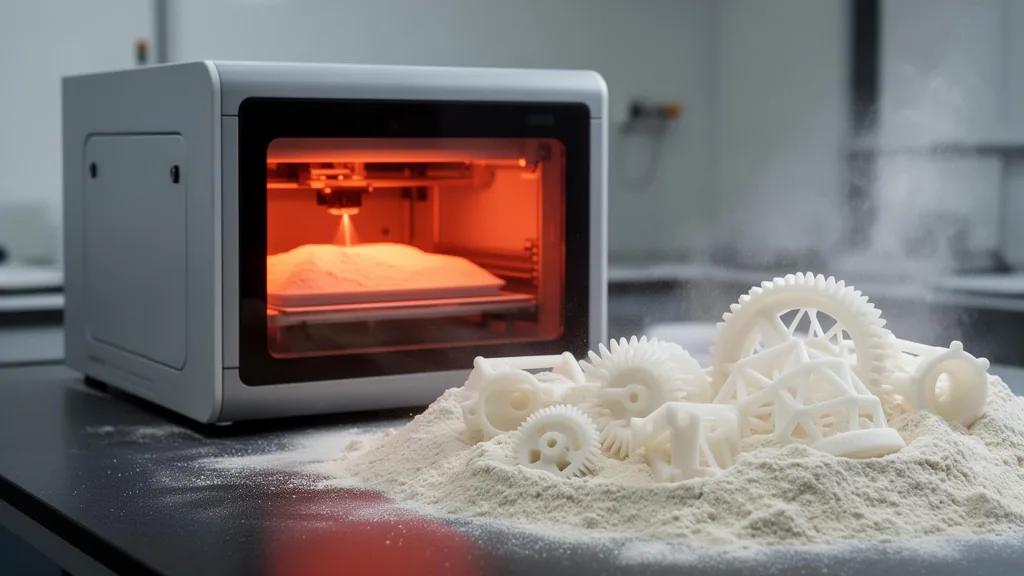
Sinterit Lisa X vs Suzy: Which Compact SLS Printer Wins in 2026?
Open-architecture power vs lowest-cost-per-part simplicity. A side-by-side spec, workflow, and total-cost comparison of Sinterit's two compact SLS printers — and how to pick the right one in the GCC.
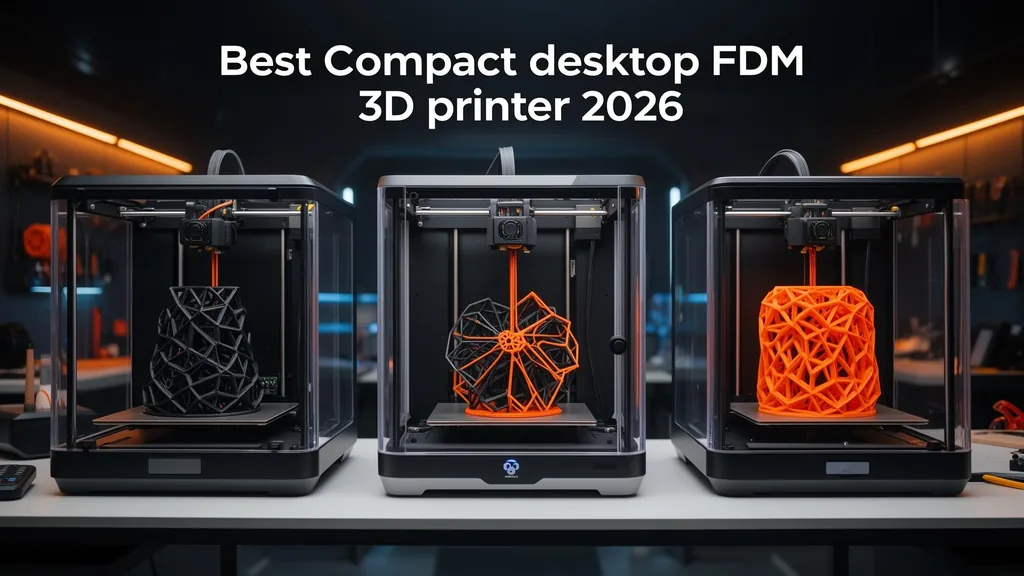
Best Compact Desktop FDM 3D Printer 2026: Bambu P1S vs K1C vs Centauri Carbon
Three enclosed CoreXY printers, three brand philosophies, one engineering question — which one survives daily use with carbon-filled filaments without taking over your desk?

Geomagic Design X: Go vs Plus vs Pro — which plan actually fits your work?
Same software name, three very different tools. An honest engineer's breakdown of Hexagon's Design X tiers — and how to avoid paying for the wrong one.
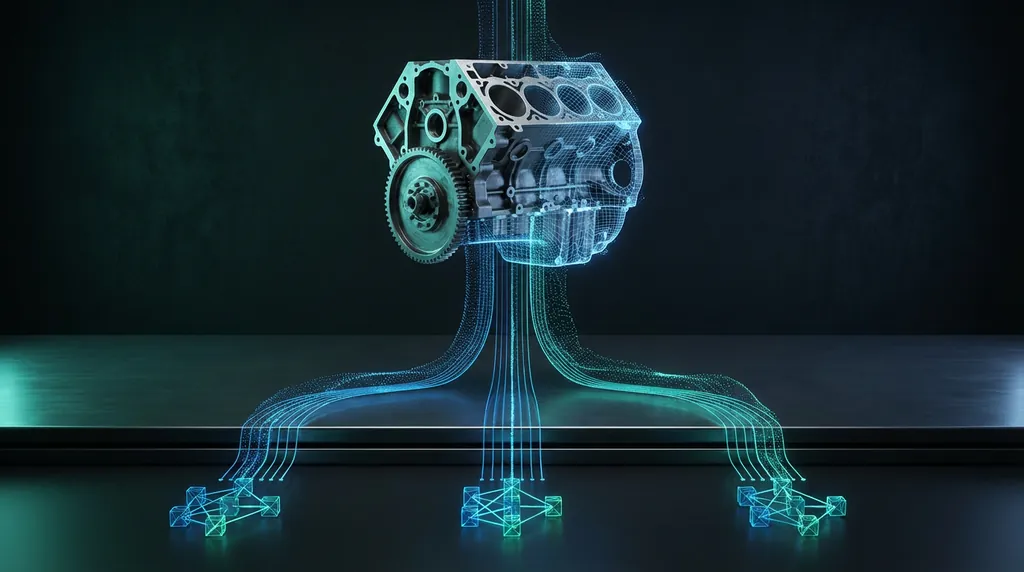
Geomagic Wrap, Design X, or Geomagic for SOLIDWORKS — picking the right tool
Three Geomagic products, three completely different jobs. Here's the decision framework we use to pick the right one — and the pitfalls of picking the wrong one.
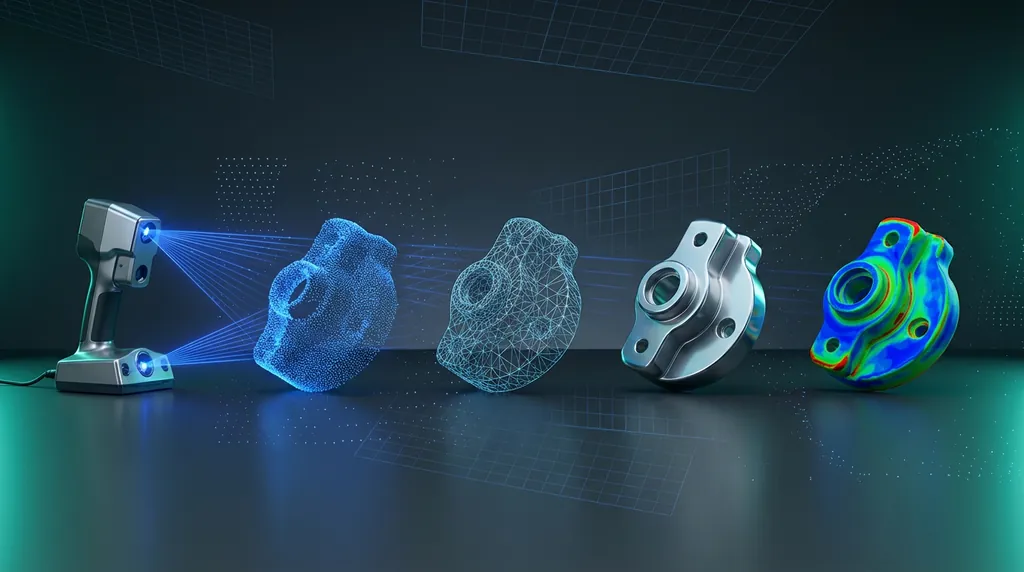
From scan to CAD: a 7-step workflow that doesn't waste your scan data
Most scan-to-CAD jobs fail not in the modeling — but in the steps before and after it. Here's the 7-step workflow we run on every production project.
Mastering Geomagic Design X: 10 tricks for faster feature extraction
Ten concrete techniques our senior modelers use every day to cut Design X modeling time by 30–50% without sacrificing accuracy.
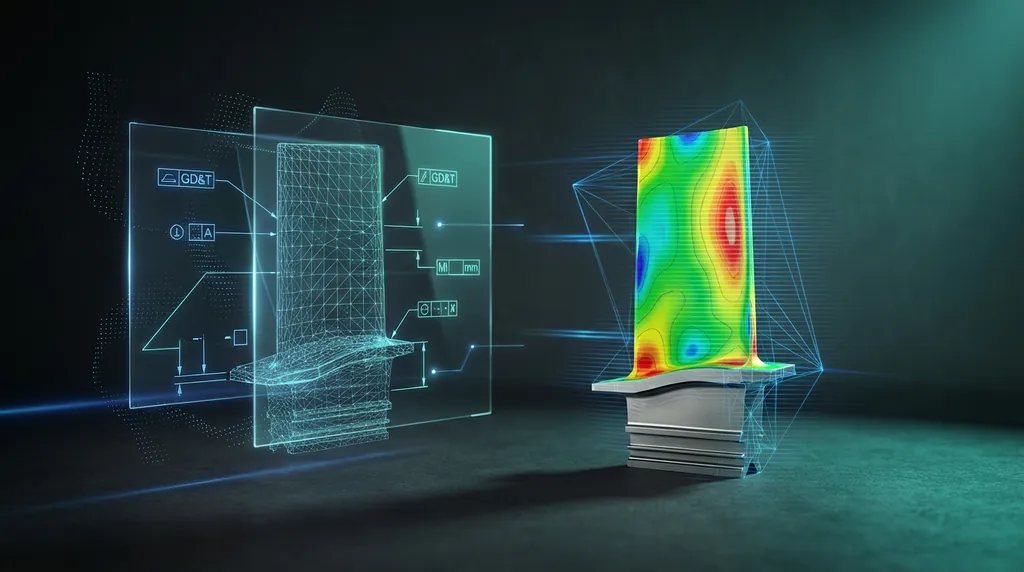
PolyWorks vs. Geomagic Control X: choosing the right metrology suite
A workflow-by-workflow breakdown of probing, scan-based inspection, GD&T reporting, automation, and licensing — with a clear decision matrix at the end.
Reverse engineering a legacy aerospace bracket in 72 hours
An out-of-production bracket, no CAD, an AS9102 audit on the line. How we delivered a parametric STEP and a defensible FAI in three days.
Five exercises that separate junior from senior scan modelers
Drills from our Advanced Scan-to-CAD course that reliably surface the gap between knowing the buttons and knowing the craft.
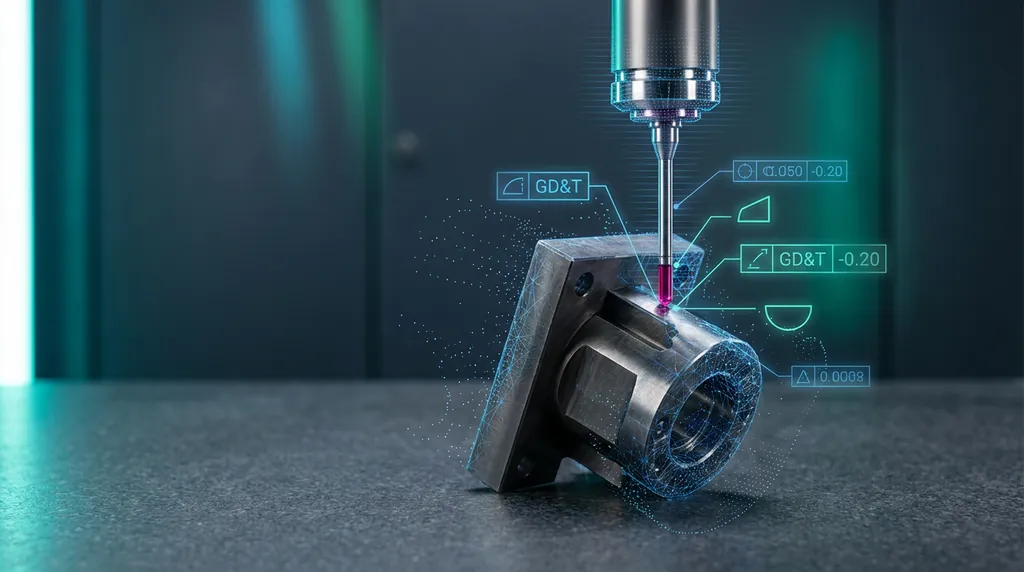
GD&T in metrology: five pitfalls that pass on paper and fail on the line
Datum frames, position vs. profile, MMC modifiers, surface-profile abuse, and reports that hide the truth — with worked examples for each.
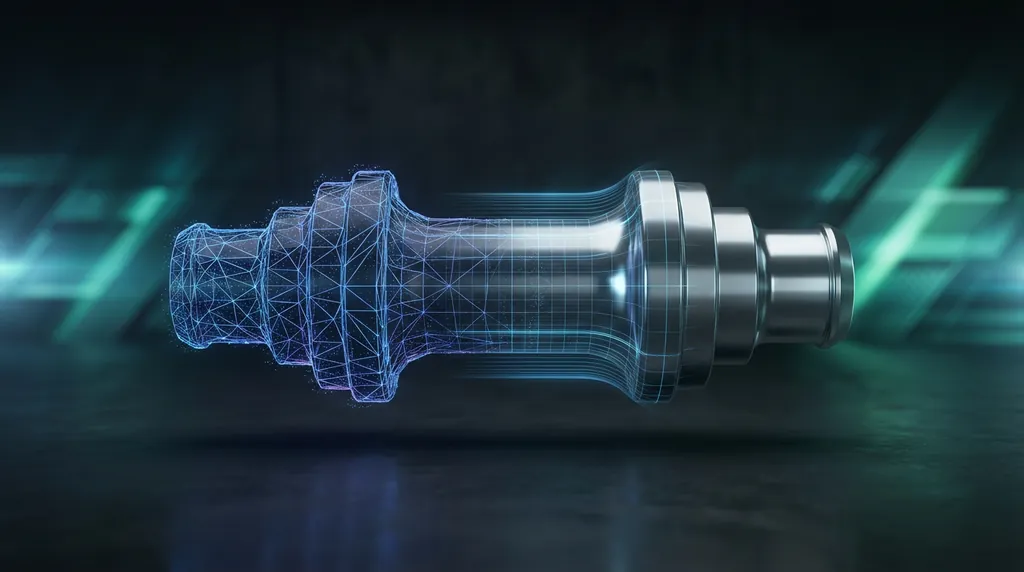
From STL to STEP: a production-ready workflow
The pipeline we use on every production reverse engineering project — six stages, three quality gates, and the discipline to never skip them.
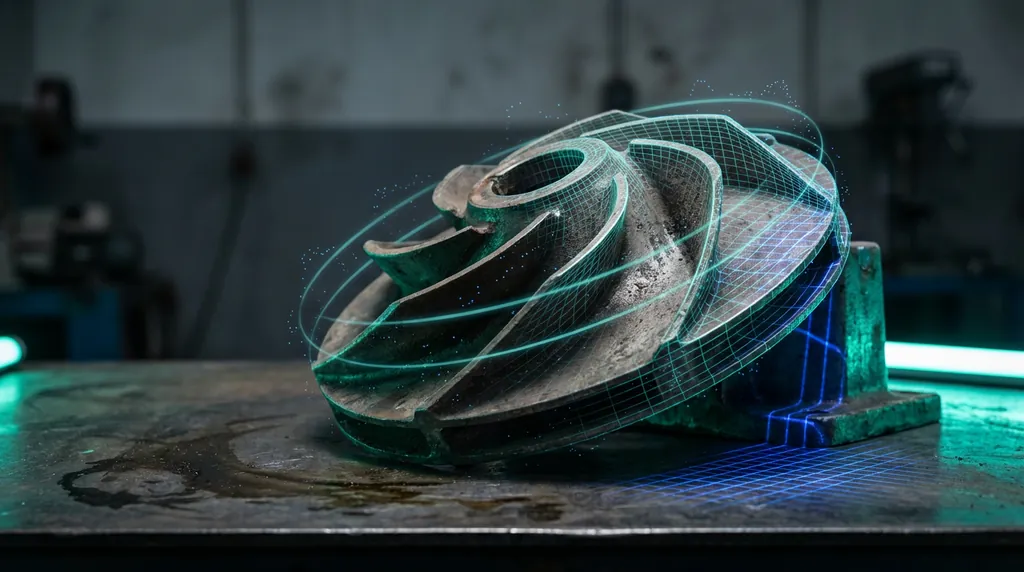
Reverse engineering an impeller that's older than me
A 30-year-old industrial impeller, no CAD, no drawings — and blade curvature that directly drives flow rate. Here's how we rebuilt it.
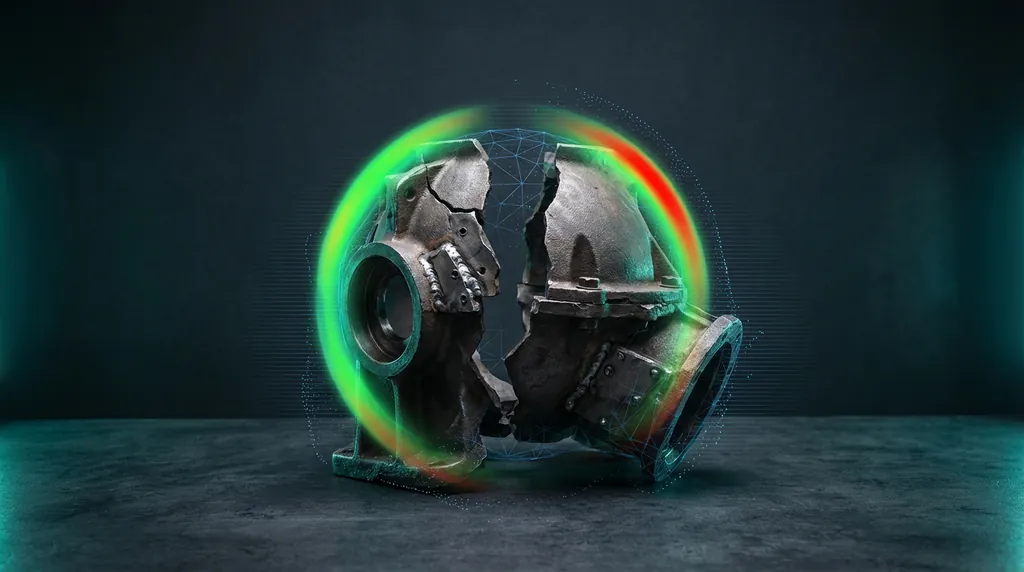
Broken, glued, and still needs to be right
Some features missing, others glued back together. Here's the Geomagic Design X workflow that turned a damaged scan into a clean parametric model within ±0.15 mm.
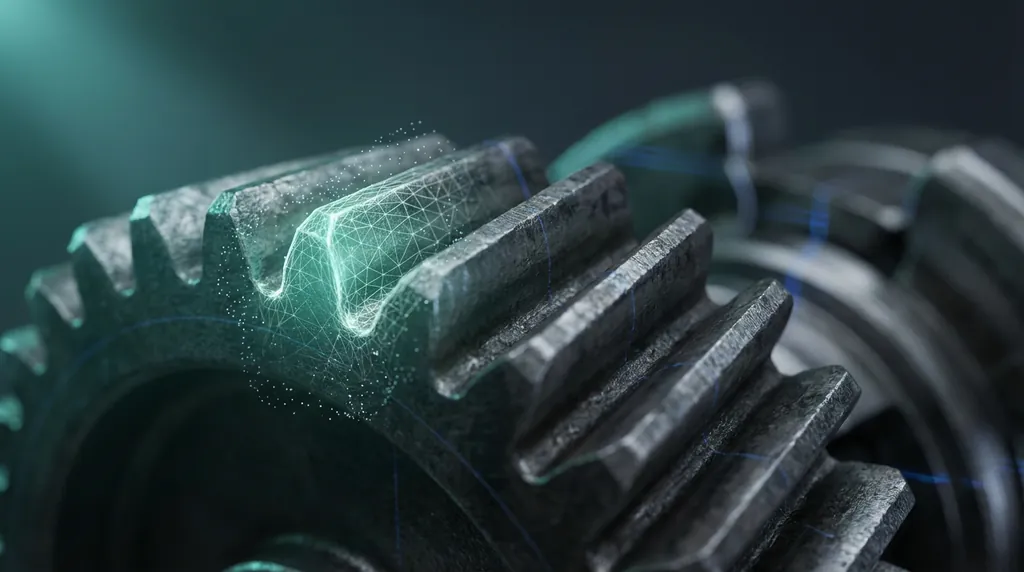
The golden-tooth dilemma
On a worn helical shaft, choosing the wrong reference tooth would amplify error 30+ times. Here's how we picked the right one.